

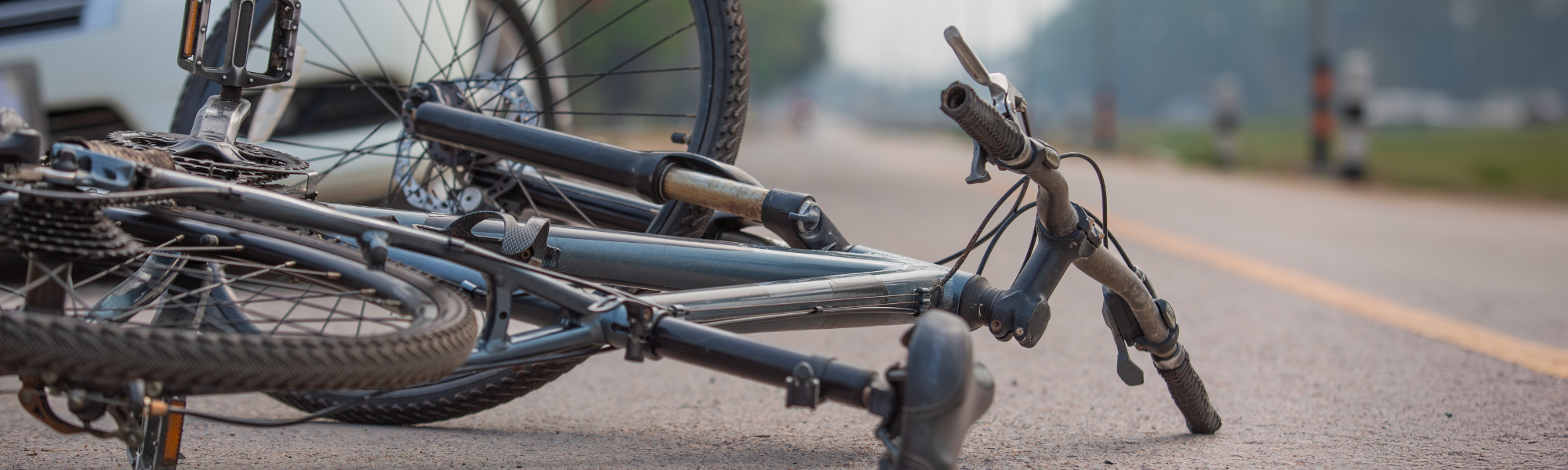
The scale of this blind spot is more striking than most policymakers realise. A clinic in Oslo recorded 6,309 injured pedestrians in a single study period; police records for the same population showed just 106. In Ireland, a 2024 comparison of hospital admissions against police data found total hospitalised casualties were 1.7 times higher than police figures suggested - and for cyclists specifically, hospitals recorded 4,790 seriously injured casualties against only 1,932 in police records. A UK study of e-scooter casualties found police captured just over a quarter of the most serious injuries, and fewer than one in ten injuries of any severity.
Road deaths are relatively well recorded everywhere. Serious injuries are not, and progress on reducing them has been slower. In 2024, 20,017 people died on EU roads. Over the decade 2014–2024, serious injuries fell by only 14%, against a trajectory that needed to reach 27% to stay on course for the EU's 2030 target of halving deaths and serious injuries. Across the wider ETSC PIN network of 31 European countries, in twenty of them, progress on cutting deaths has consistently outpaced progress on cutting serious injuries.
Underreporting itself is uneven - it is consistently worse for pedestrians, cyclists and motorcyclists, and worse still where no motor vehicle was involved, precisely because these are the collisions police are least likely to attend.
Part of the answer is technical. In 2017, EU governments committed under the Valletta Council conclusions to start measuring serious injuries using MAIS3+, a hospital-based trauma severity scale, rather than relying solely on how the police categorise an injury at the roadside. A common definition is only half the job - the harder part is linking police and hospital records which would provide the highest quality data. Sweden's STRADA system shows this can be done: it took building trust between hospitals and police, starting on a voluntary basis, before reporting became mandatory in 2021. Germany shows another route works too - legislation requiring police attendance at every collision involving personal injury, reinforced by an insurance system that requires a police report before compensation can be claimed.
None of this is a distant European technical debate. Armenia, Azerbaijan, Georgia, Moldova and Ukraine each face the same underlying structural challenges. Building an honest, comparable injury record across the region is not a bureaucratic side task to be tackled once the "real" safety measures are funded - it is one of the real safety measures. Every unrecorded injury is a missed chance to redesign a dangerous junction or target enforcement where it is needed most.
At ETSC, our recommendations to governments are consistent. First collect serious injury data properly, using both MAIS3+ and, in the short term, a clear national definition. Second, set explicit national targets for reducing serious injuries, not just deaths. Third, reduce speeds for motorised vehicles to 30 km/h in residential and core urban zones. Fourth, invest in safer infrastructure generally, with particular attention to the needs of vulnerable road users.
Governments cannot easily manage what they do not measure. The people falling off bikes and tripping on pavements every day deserve to count - quite literally - in the systems built to protect them. Closing this data gap will not, on its own, make anyone's daily commute safer. But without it, we will be missing the true scale of the challenge.


